Sunday 30 August 2026
|
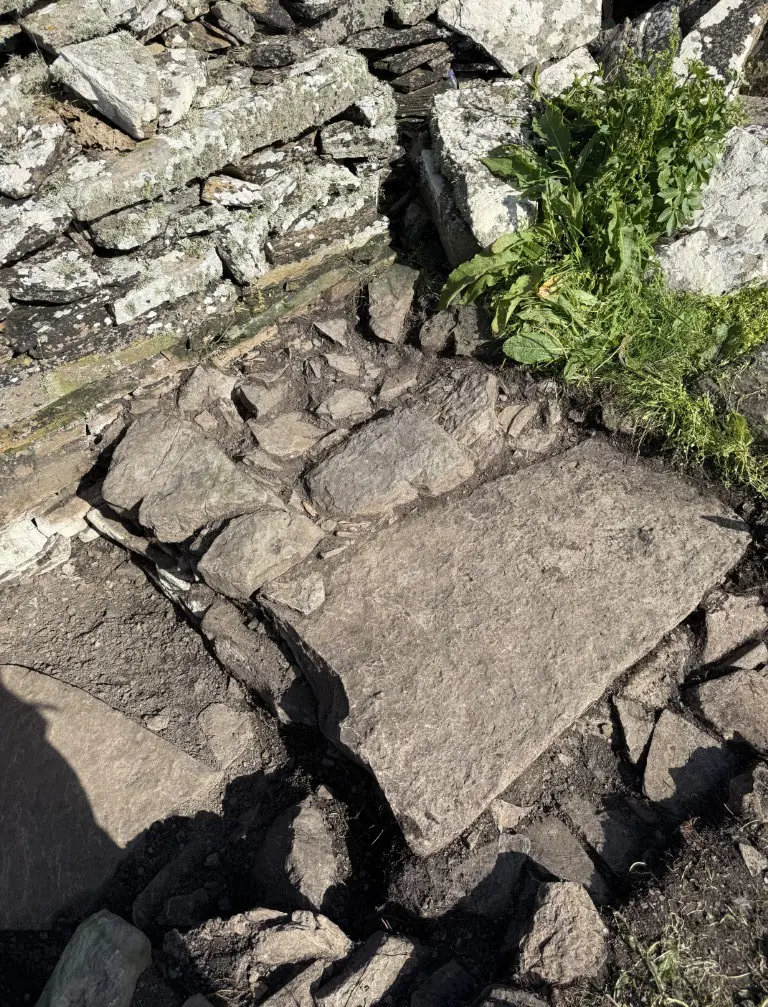
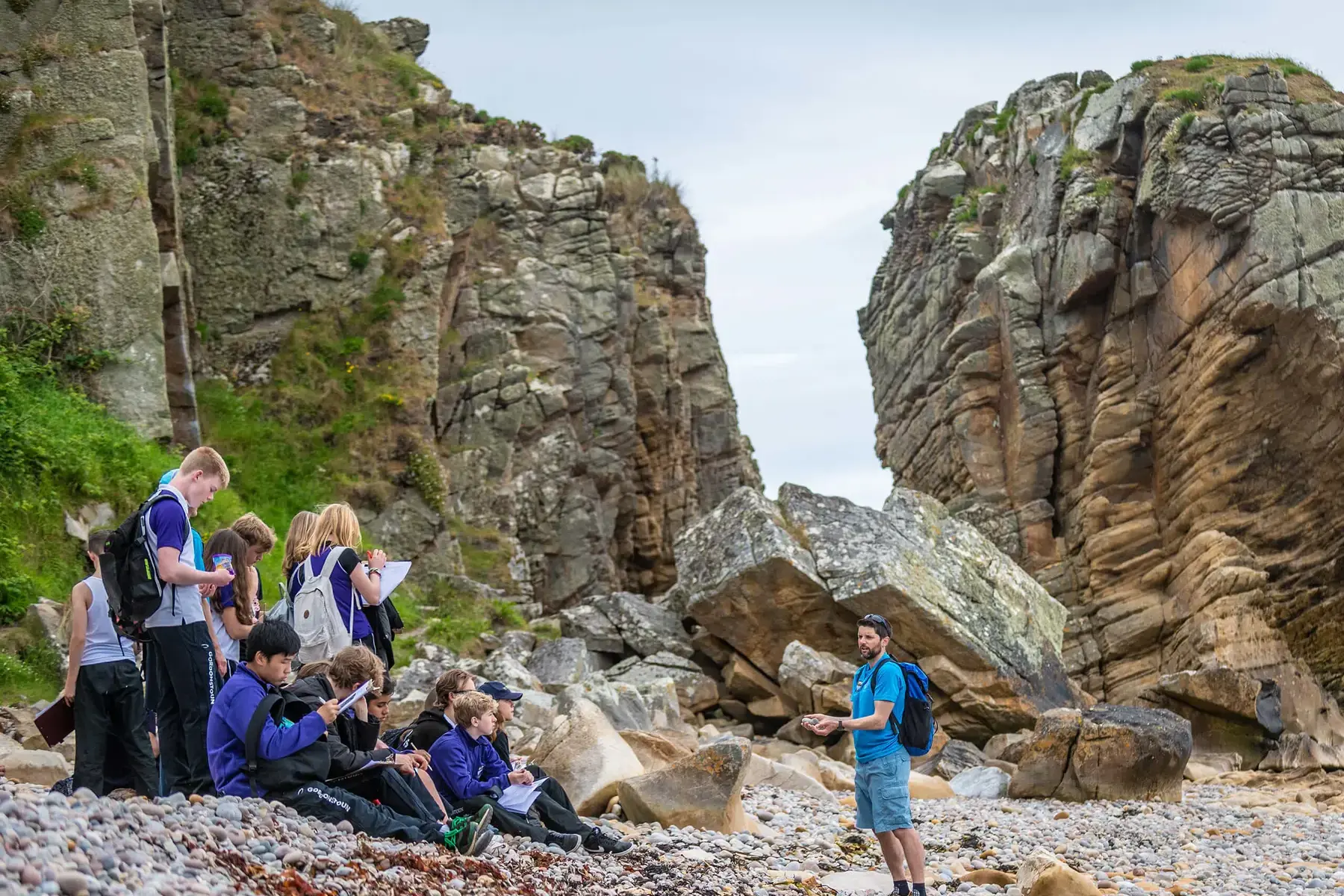
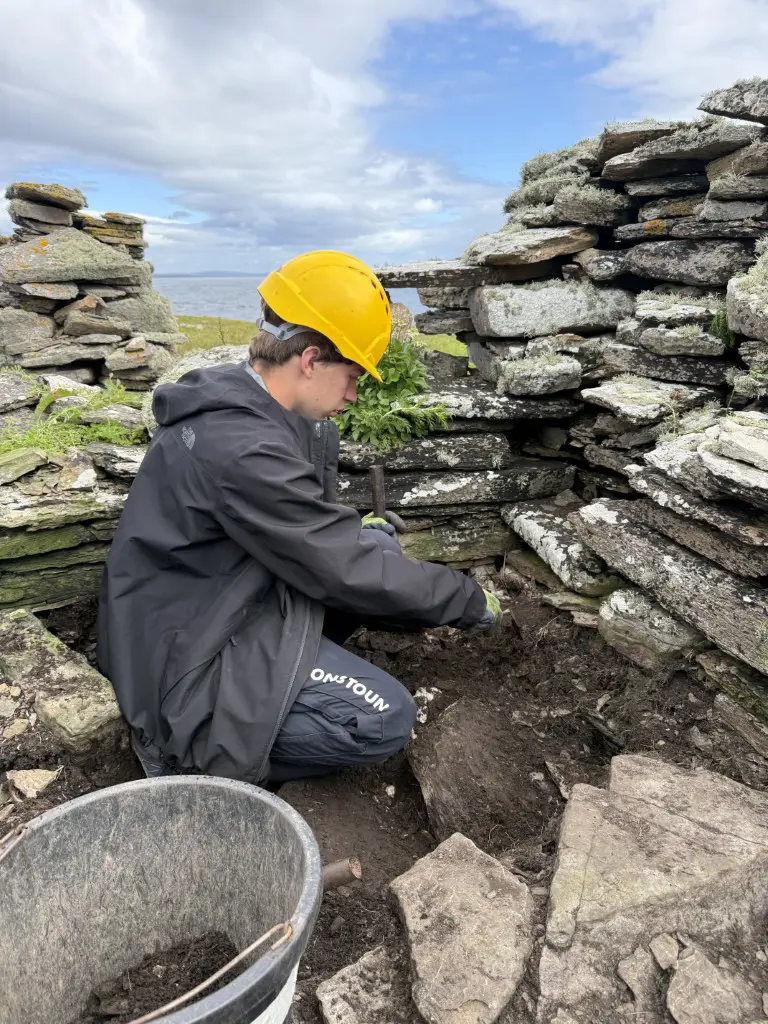
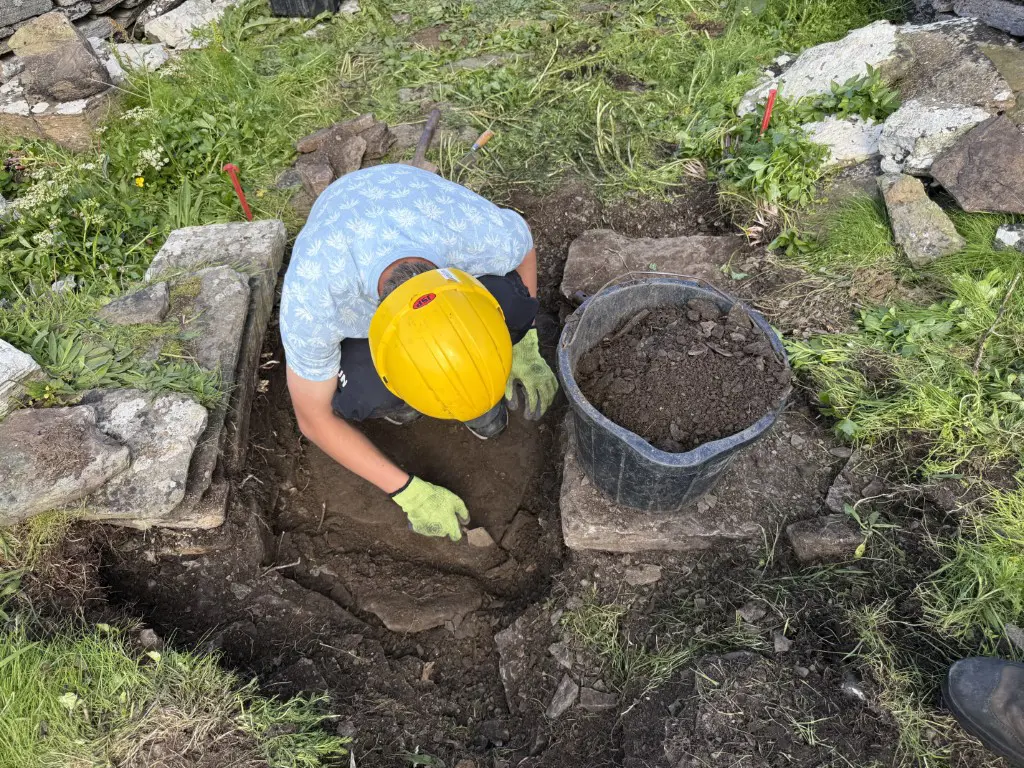
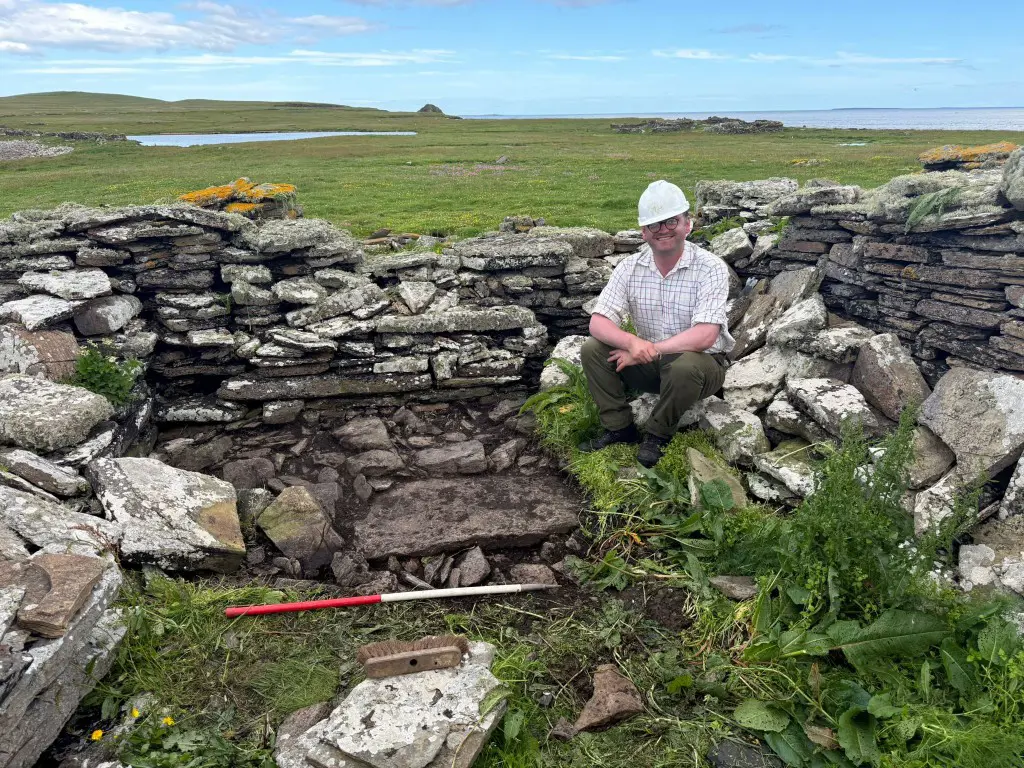
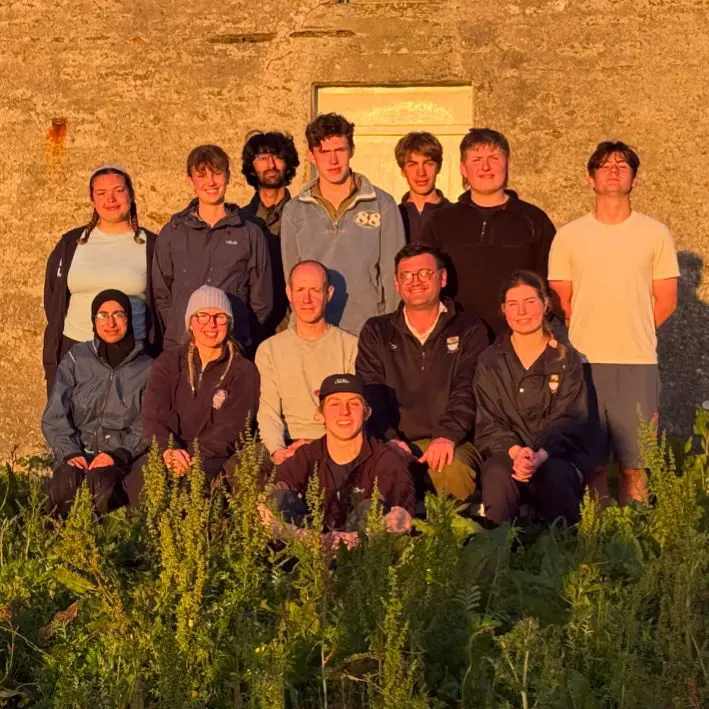
Gordonstoun students and staff worked with professional archaeologists from the Orkney Research Centre for Archaeology (ORCA) to uncover the remains.
During the six-day trip, they also explored the site of what is believed to be a Medieval farm and Viking warning beacon. They also discovered what could be a Neolithic or Bronze Age settlement dating back up to 5,000 years.
The tiny island of Swona became uninhabited in 1974, leaving only a small herd of feral cattle to roam the 92 acres.
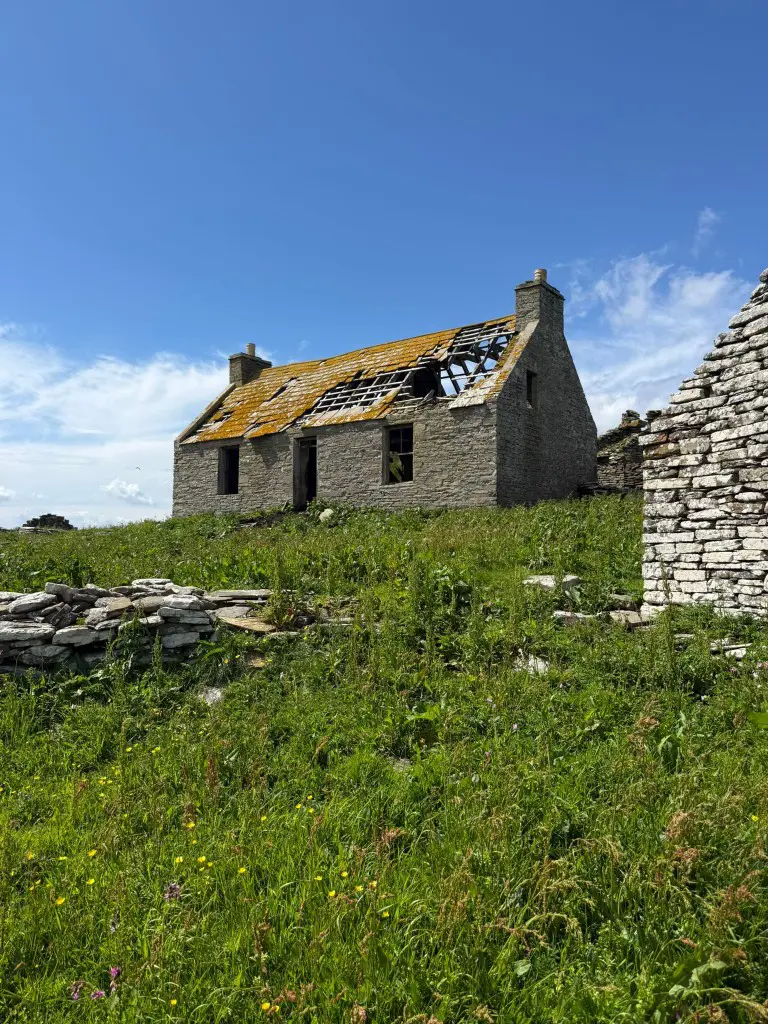
The students stayed in the remains of a house unlived in for a century with no electricity and fresh water pumped from a 1,000-year-old well. During the adventure, the students survived by catching fresh pollock and lobsters to eat and baking their own bread on an open fire.
Students from Gordonstoun first visited Swona two years ago restoring much of the infrastructure – and even built the island’s first toilet in half a century. The Swona Service Project has now become an annual Gordonstoun event.
The school is renowned for its ‘Hahnian’ (after founder Kurt Hahn) education, developing compassion and resilience through challenge and commitment to the service of others. Senior students have also embarked on charity projects to Thailand, Romania and India to work with local communities.
The trip to Swona was organised by Dan McLean, a Housemaster at Gordonstoun supporting pastoral care for the students, who said:
“The only real hint about a church being on the island is a map reference to a ruin known locally as the ‘Twinly Kirk’.
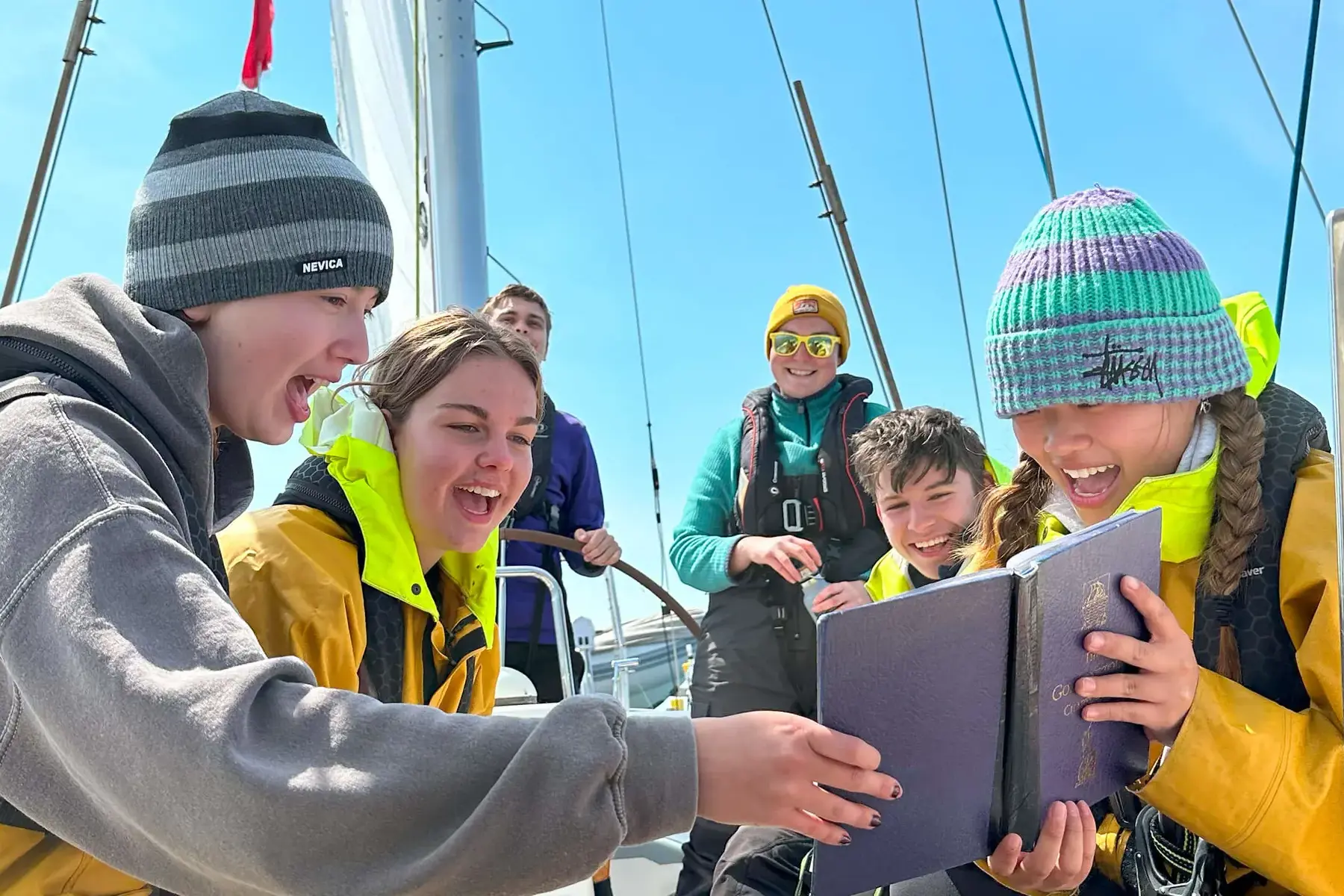
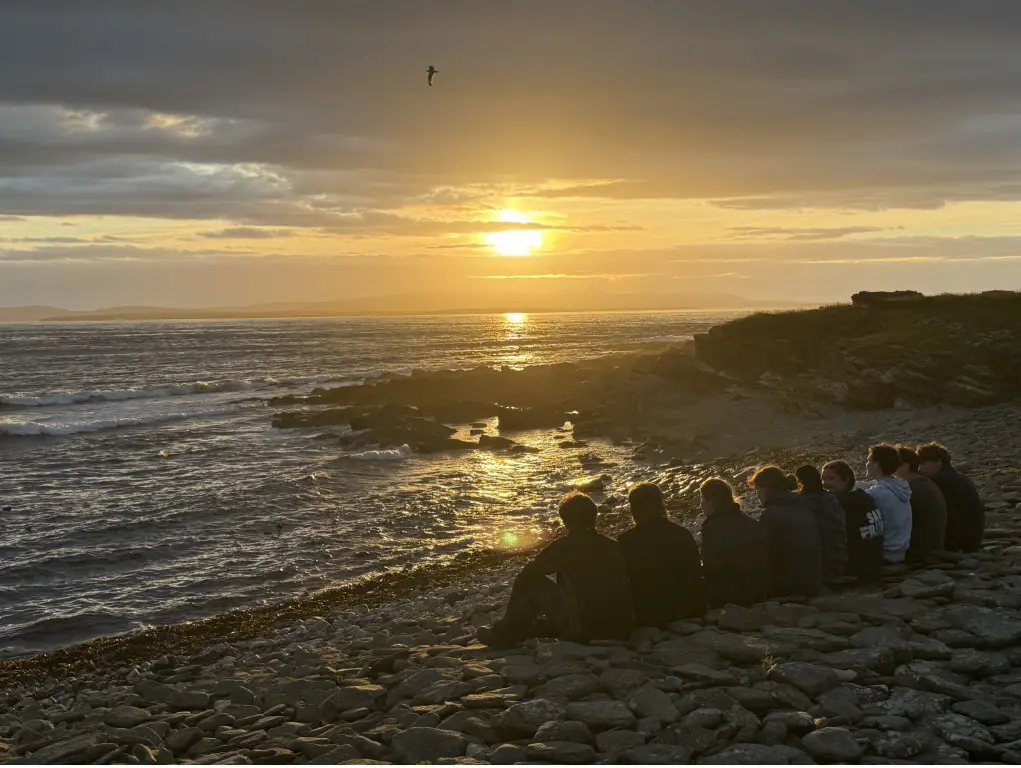
Ten students from Gordonstoun spent a marathon ten hours going by bus, ferry and boat to reach the remote island, situated in the Pentland Firth, around seven miles north of John o’ Groats.
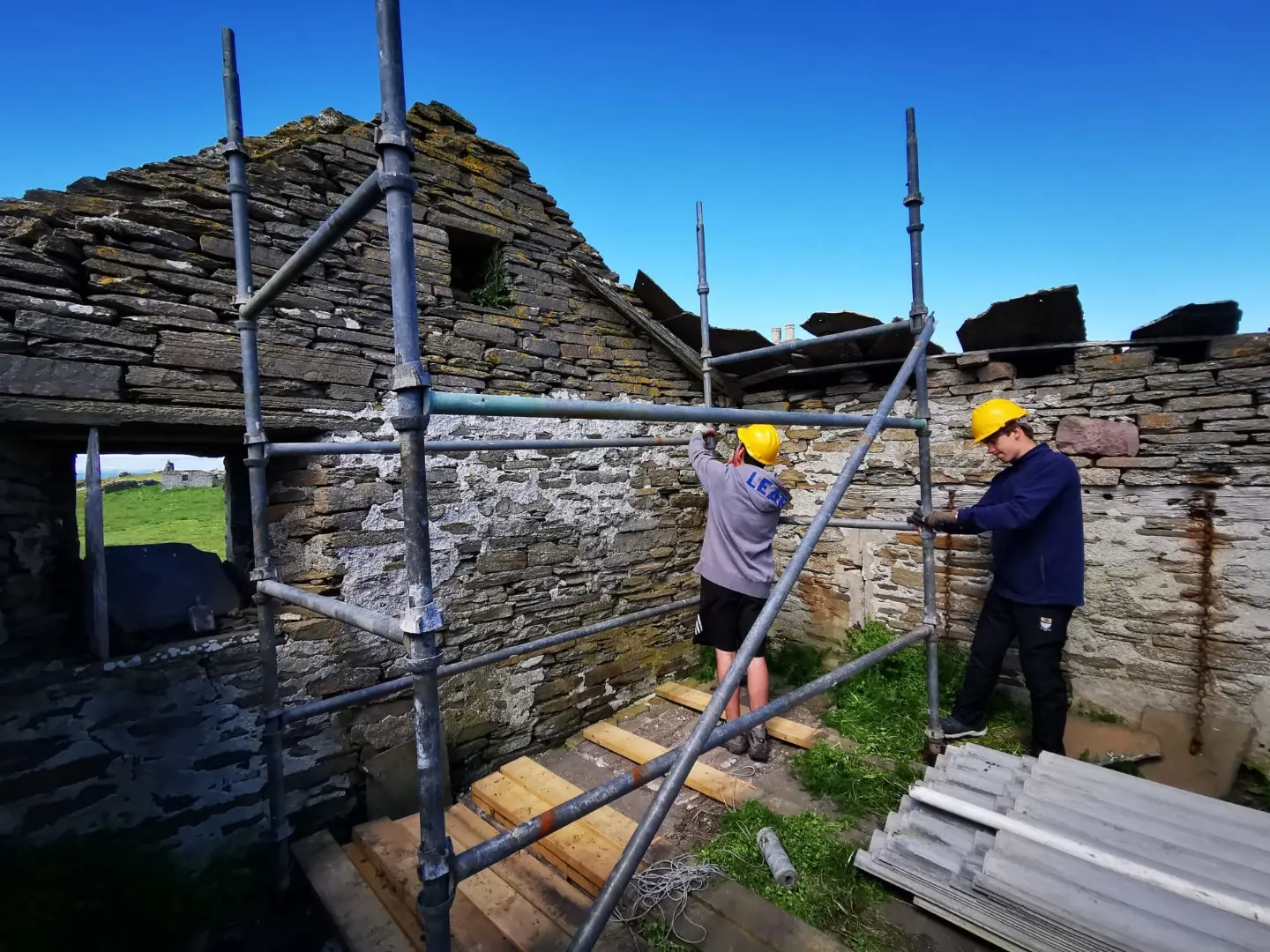
Seven of them were involved in further restoration work on the island. The floor of the former croft cottage of Norhead which they camped in was replaced and the front door painted for the first time in 100 years. Drainage was improved and a cow byre was redesigned to make way for a new building to house vehicles such as a quad bike or mini digger and an area for storing equipment.
The other three students worked on the archaeological projects. Specialist equipment was used to conduct geophysical surveys, including magnetometry, on an area of Swona known as Warbister Hill.
Student Archie Maclean, 17, said:
“The hardest challenge was dealing with the sun and hot temperatures. An average day on the island would be waking up at about 8am and getting breakfast before cleaning the dishes at the beach and then finishing for dinner around 6pm. Then the archaeology team would either be doing magnetometry or digging and the house repair team would be fixing the house.
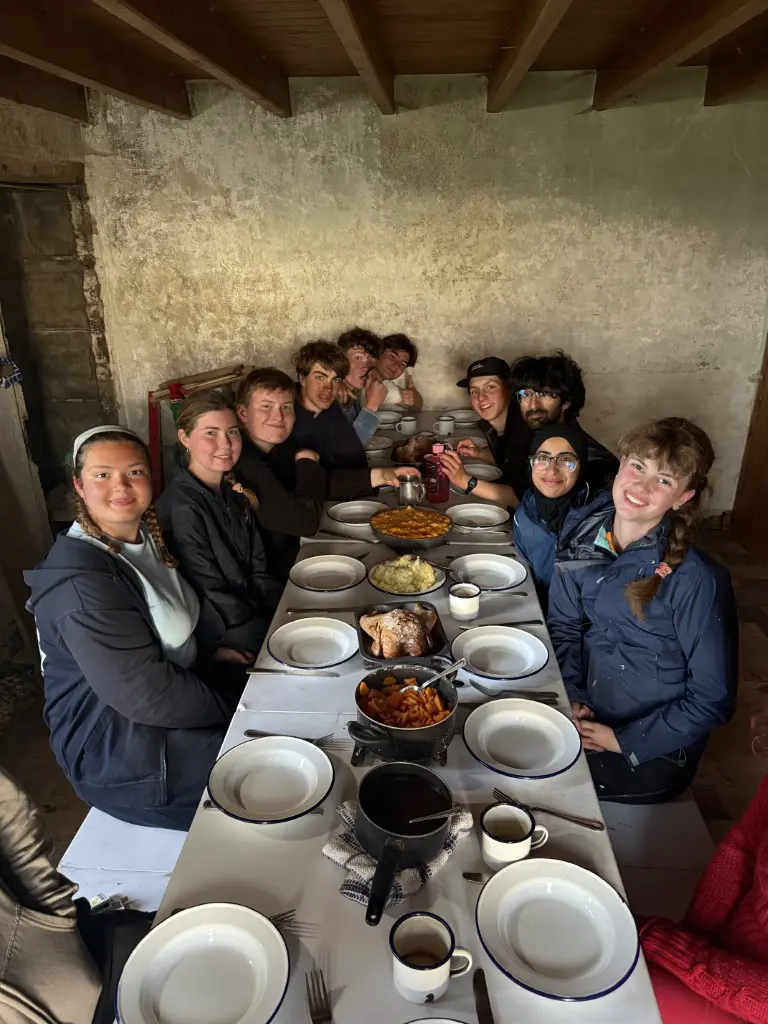
"There were daily routines we had to take care of, like collecting water from the well. In the evening, we cooked again, often using fresh food we had sourced ourselves. We went fishing and even caught a lobster.
Student Alfie Pullin, 16, said:
"The biggest challenge was not having running water and fresh produce. So, I tried to eat as much cooked food as possible, drink enough water and get enough sleep, which led to me feeling much better throughout the day. Dinner was often made up of Dahl curries that contained lots of grains and pulses. As a group, we would then get together and play a game of cards or Monopoly and have a piece of cake.
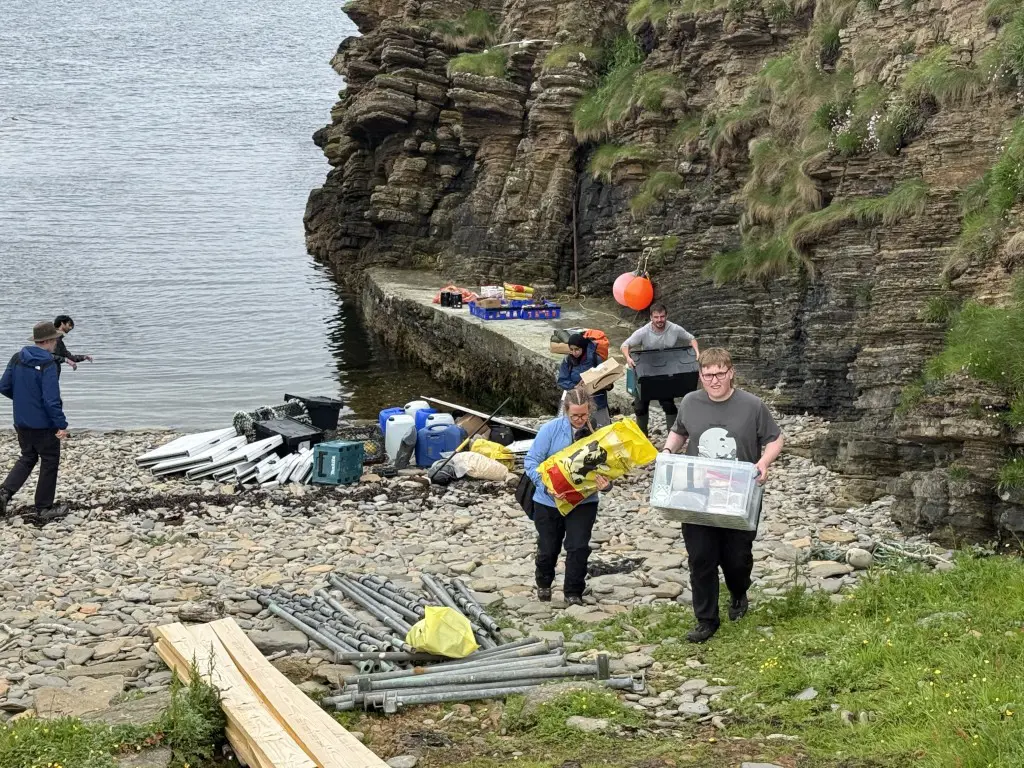
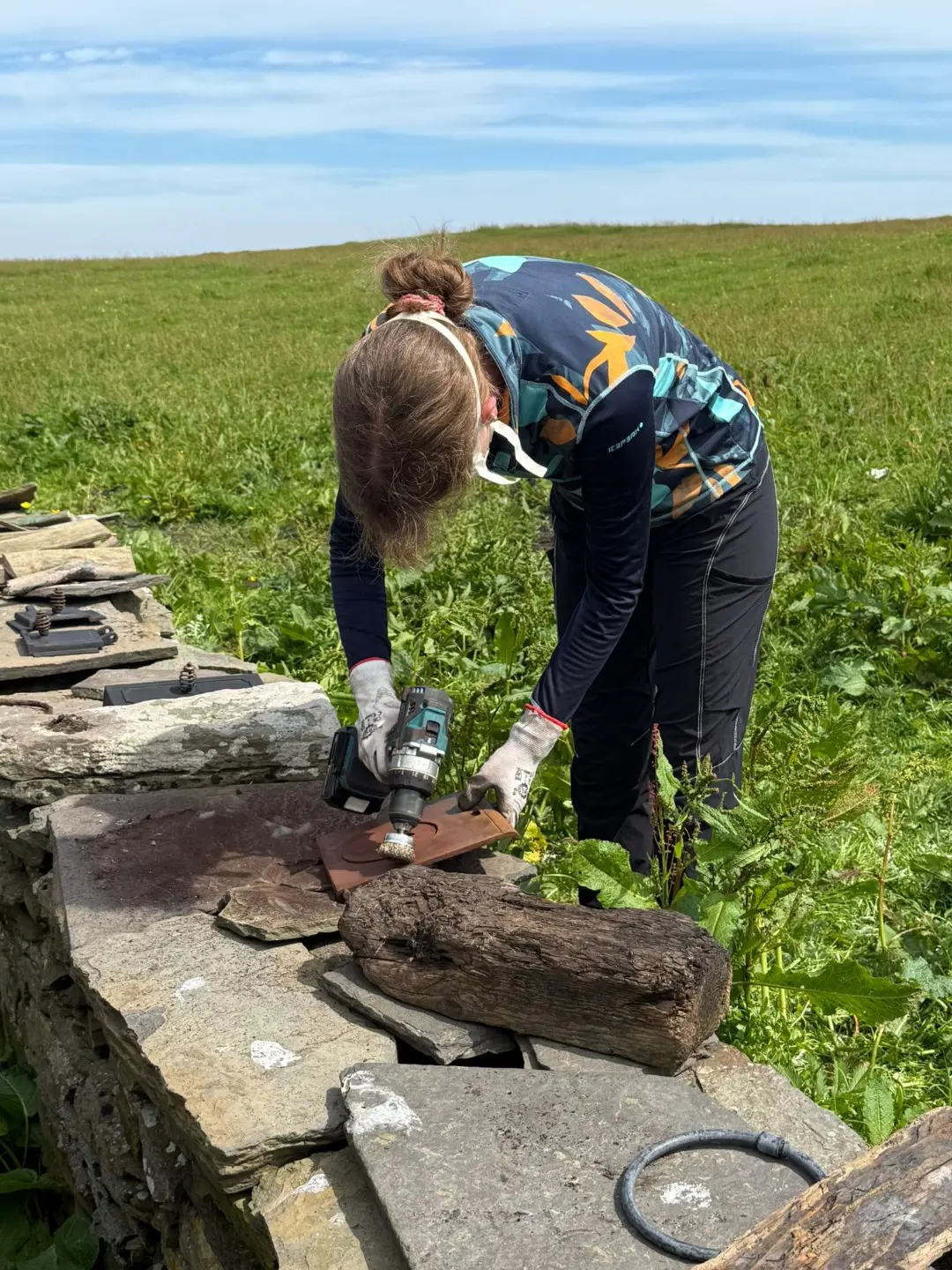
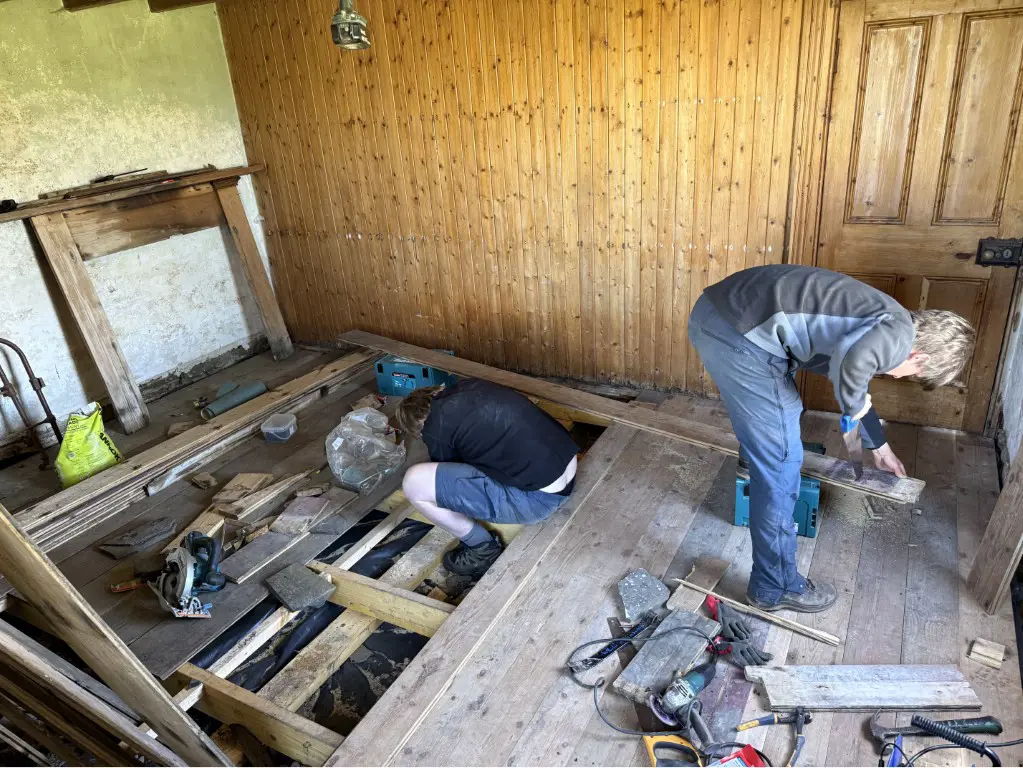
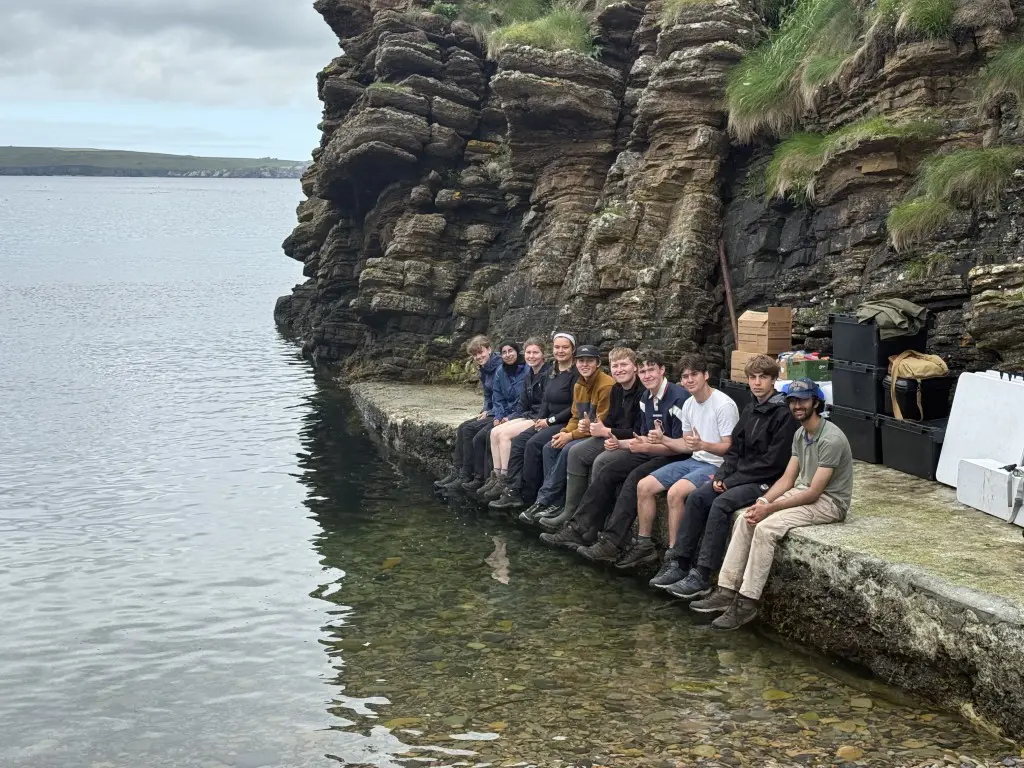
The Gordonstoun team worked with the Swona Heritage Group and the Annal family, owners of the island. In the 1880s, Forty-seven residents lived on the island, which had its own school until 1920. The population then declined until the last two residents left in 1974.
Swona is a Site of Special Scientific Interest (SSSI) due to its rare vascular plants, but it is also an important breeding colony for many species of seabird, particularly the Arctic Tern, Puffins and Razor Bills. It is also known for its Orcas; Dolphins, Pilot Whales and Minke Whales.
Paul Clark, ORCA Senior Project Manager, said:
“Swona has a long and rich history dating back thousands of years, although until this summer it has been the subject of very limited investigation. The students showed great enthusiasm getting involved in the dig and it was an exciting moment for everyone when we discovered the remains of what we believe is an early medieval chapel.
“The trip was a tremendous team-bonding exercise. Everything was cooked from scratch. We brought lots of provisions such as potatoes, onions and lentils as well as catching our own seafood.
Curious about Gordonstoun? To find out more about the uniquely broad range of opportunities available to our students, both during term time and in the holidajoin us on our next Virtual Taste of Gordonstoun Webinar.